

Home Remedies for Bloating & Gas: 15 Natural Ways to Get Instant Relief
Bloating and gas are uncomfortable in a very ordinary way. Almost everyone experiences it at some point — after a heavy meal, during stressful days, while traveling, or even when eating perfectly healthy foods. One moment your stomach feels normal, and the next it feels tight, swollen, or noisy. Sometimes it’s just mild fullness; other times it can feel sharp enough to distract you from work or sleep.
The reassuring part is that occasional bloating is usually not serious. In many cases, it’s the digestive system reacting to food choices, eating speed, gut bacteria, hydration levels, or stress. That’s why simple home remedies for bloating & gas often work surprisingly well. They don’t suppress symptoms artificially; instead, they help digestion move more smoothly.
This guide shares practical remedies people actually use at home, along with gentle diet adjustments and habits that reduce the chances of bloating returning.
Why Bloating and Gas Happen in Everyday Life
From a biological point of view, bloating often comes down to trapped gas or slow digestion. But in daily life, the triggers are usually simpler than they sound:
- Eating too quickly and swallowing air
- Overeating or mixing very heavy foods
- Digesting high-fiber foods suddenly after a low-fiber diet
- Dairy sensitivity or food intolerance
- Stress affecting gut movement
- Constipation slowing digestion
- Carbonated drinks increasing stomach gas
The National Institute of Diabetes and Digestive and Kidney Diseases explains that gas forms naturally during digestion, especially when gut bacteria break down certain carbohydrates:
https://www.niddk.nih.gov/health-information/digestive-diseases/gas-digestive-tract
Understanding this makes it easier to focus on remedies that help digestion instead of just masking discomfort.
Home Remedies for Bloating & Gas That Actually Help
1. Warm Water — Simple but Often Effective
It sounds almost too basic, but warm water can help stimulate digestion and relax intestinal muscles. Many people notice their stomach feels lighter after sipping warm water slowly rather than drinking something cold all at once.
How to try it
Drink a glass of warm water first thing in the morning or after a heavy meal. Sip slowly rather than gulping.
This small habit often supports smoother digestion throughout the day.
2. Ginger — A Natural Digestive Support
Ginger has been used traditionally to ease nausea, stomach discomfort, and sluggish digestion. It contains compounds that may help stimulate digestive movement and reduce feelings of fullness.

Research summarized by health institutions like Mount Sinai notes ginger’s role in supporting digestion: https://www.mountsinai.org/health-library/herb/ginger
Easy home use
- Add fresh ginger slices to hot water for tea
- Chew a small piece after meals
- Add grated ginger while cooking
Many people prefer ginger tea after dinner when bloating tends to appear.
3. Fennel Seeds — A Familiar After-Meal Remedy
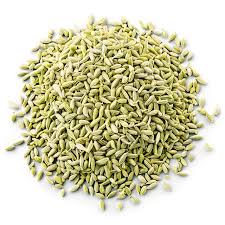
Fennel seeds are commonly served after meals in many households for a reason. They contain natural compounds that may relax intestinal muscles and help gas move through the digestive tract more comfortably.
How people use them
Chew half a teaspoon after meals, or steep in hot water for fennel tea.
It’s a gentle remedy that fits easily into daily routines.
👉 Explore more on anti-inflammatory diet for natural healing: https://naturalhealingtips.com/anti-inflammatory-diet-for-natural-healing/
4. Peppermint Tea — Cooling and Soothing
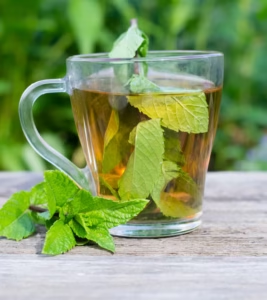
Peppermint has long been used for digestive discomfort. Its natural menthol content may help relax digestive muscles, which can reduce cramping and trapped gas.
Clinical discussions on peppermint oil for digestive comfort are documented here: https://www.ncbi.nlm.nih.gov/pmc/articles/PMC5814329/
Simple approach
Drink peppermint tea after meals or when bloating begins. Warm tea often works better than very cold drinks.
5. Ajwain (Carom Seeds) — A Traditional Digestive Aid
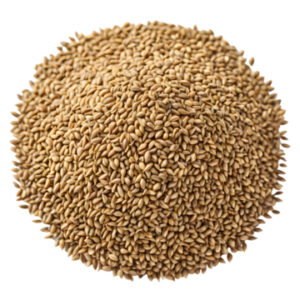
Ajwain is widely used in Indian kitchens, especially for indigestion and gas. It contains thymol, which supports digestive enzyme activity.
How to use
Mix a pinch of ajwain with warm water, or lightly roast and chew after meals.
Many people keep this remedy handy because it’s quick and inexpensive.
6. Gentle Walking — Surprisingly Powerful
Not every remedy comes from the kitchen. A short walk after meals can help digestion move naturally. Sitting or lying down immediately after eating often makes bloating worse.
Even 10–15 minutes of slow walking can help gas move through the intestines and reduce the heavy feeling.
7. Yogurt or Probiotic Foods
Sometimes bloating comes from an imbalance in gut bacteria. Foods containing natural probiotics — like yogurt or fermented dishes — may help restore balance over time.
Harvard Health explains that probiotics can support digestive health in certain cases: https://www.health.harvard.edu/staying-healthy/should-you-take-probiotics
Choose plain yogurt without excessive sugar for best results.
Foods That Often Trigger Bloating
Certain foods are healthy but can cause gas depending on how your body digests them.
Common triggers include:
- Beans and lentils (especially if introduced suddenly)
- Cabbage, cauliflower, broccoli
- Dairy for lactose-sensitive individuals
- Fried or very oily foods
- Carbonated drinks
- Artificial sweeteners
This doesn’t mean avoiding them completely — just noticing which ones affect you personally.
Habits That Quietly Reduce Gas
Small lifestyle adjustments often work better than remedies alone.
Eat Slowly
Rushing meals increases swallowed air and reduces proper digestion.
Avoid Talking While Chewing
This also reduces extra air intake.
Stay Hydrated
Water helps digestion move smoothly and prevents constipation.
Manage Stress
Stress can slow gut movement, leading to bloating. Even short breathing exercises or stretching can help.
👉 You may also like Natural Remedies for Hair fall and Hair growth: https://naturalhealingtips.com/natural-remedies-for-hair-fall-hair-growth/
A Simple Daily Routine for Digestive Comfort
For people who like structure:
Morning: warm water or ginger tea
After meals: fennel seeds or short walk
Evening: light dinner + peppermint tea if needed
Daily: balanced meals and hydration
Most people notice improvements within a few days when consistent.
When Bloating May Need Medical Attention
Occasional gas is normal, but consult a healthcare professional if bloating:
- Happens daily for long periods
- Comes with severe pain
- Causes unexplained weight loss
- Includes persistent diarrhea or constipation
- Appears suddenly without clear reason
Professional evaluation helps rule out food intolerance, IBS, or other digestive conditions.
FAQs — Home Remedies for Bloating & Gas
1. How quickly do home remedies work?
Some remedies like warm water or walking can help within minutes. Others, like probiotic foods, may take several days.
2. Is bloating always caused by food?
Not always. Stress, constipation, hormones, and gut bacteria balance also influence bloating.
3. Does drinking water reduce gas?
Yes, adequate hydration supports digestion and may reduce bloating related to constipation.
4. Are carbonated drinks bad for gas?
They can increase stomach gas because they release carbon dioxide.
5. Can stress cause bloating?
Yes. Stress affects gut movement and can slow digestion, leading to trapped gas.
6. Is daily bloating normal?
Occasional bloating is common. Persistent or severe bloating should be checked medically.
7. Which tea is best for bloating?
Ginger, peppermint, and fennel teas are commonly used for digestive comfort.
Final Thoughts
Bloating and gas are uncomfortable but usually manageable with simple adjustments. Often, the solution isn’t a single remedy but a combination of small habits — eating more slowly, staying hydrated, supporting digestion with natural ingredients, and moving a little after meals.
By using gentle home remedies for bloating & gas consistently and noticing what your body responds to, you can reduce discomfort and maintain better digestive comfort over time.





2 thoughts on “Home Remedies for Bloating & Gas”